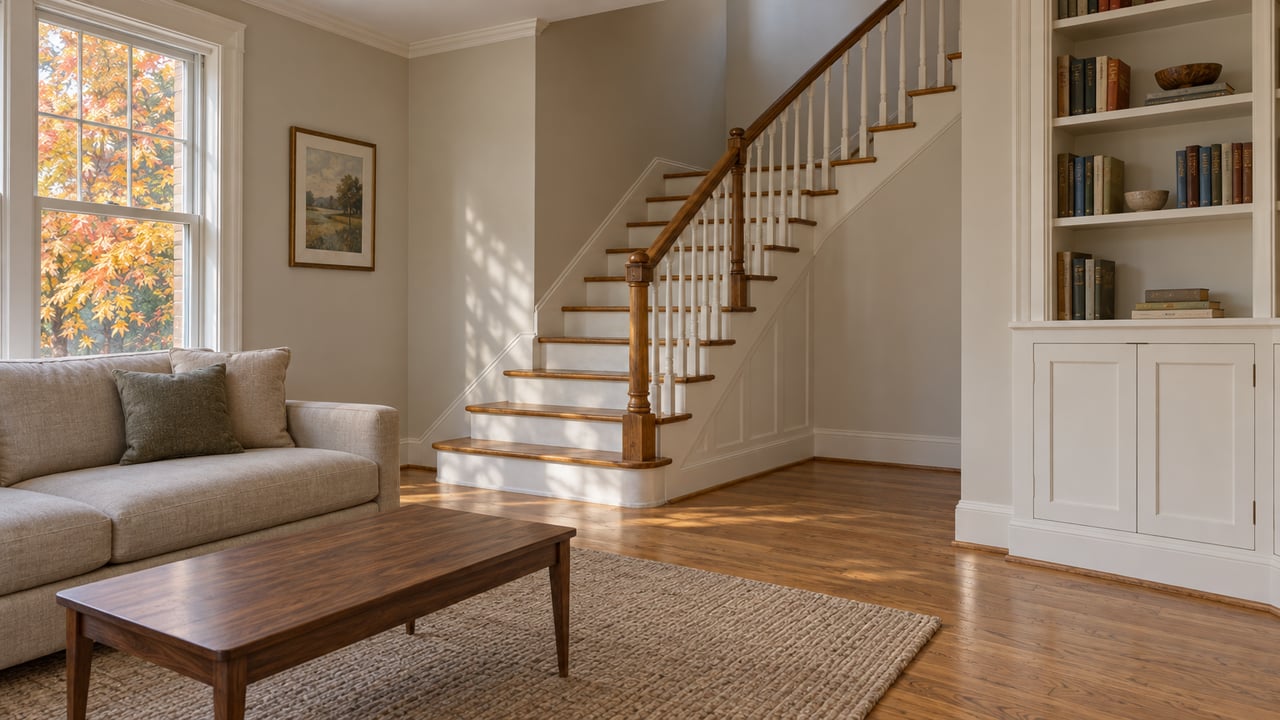
Johnston's New Homes Now Include a Radon System. Its Older Homes Don't Get One Automatically.
October 1, 2026
October 1, 2026
Once new construction started coming with a radon system built in, sellers of older homes picked up a conversation they didn't have before, and it tends to arrive during the buyer's inspection period. The timing matters more in Johnston than almost anywhere else in the metro.
As of July 1, 2026, Iowa's state building code requires passive radon mitigation systems in all new single- and two-family homes. That rule only reaches forward. It says nothing about the thousands of homes already standing in Johnston, most of them built in the 1980s, 1990s, and early 2000s, long before anyone wrote a mitigation requirement into the code. Those homes didn't get less risky the day the law passed. They just got compared to something new for the first time.
The bill, sponsored by State Rep. Hans Wilz, passed with close to unanimous support, clearing the Senate without opposition and losing only three votes in the House. Its logic was practical rather than dramatic: installing a passive vent pipe during framing is cheap, and retrofitting a full mitigation system into a finished house later is not. The Iowa building code bureau now enforces the requirement the same way it enforces any other structural code item, through the inspection process itself.
That single administrative fact, that new homes get checked and older ones don't, is the whole mechanism behind everything else in this post.
Iowa sits entirely within the EPA's Zone 1 radon risk designation, meaning at least half its homes are predicted to test above the federal action level of 4.0 picocuries per liter. The actual number, according to the Iowa Radon Survey, is higher than that prediction: 71.6 percent of Iowa homes test above that threshold, the largest share of any state in the country. Iowa's average indoor radon reading is 8.5 pCi/L. The national average is 1.3.
Those numbers explain the broad support behind the bill. They also explain why a Johnston buyer touring a resale home this fall is statistically more likely than not to be looking at a house that would test above the level the EPA recommends fixing.
Johnston's homes span roughly five decades, from the 1970s through new subdivisions still being platted today, with the bulk of the inventory dating to the 1980s through the 2000s. Ranches and split-levels make up a large share of that older stock, the kind of layout where a finished lower level sits close to the foundation and any soil gas entering the house has less room to dilute before it reaches living space.
None of that older inventory is required to have anything. The July 2026 code touches new construction only, and even that arrived unevenly across the metro. Altoona and Bondurant had their own local radon-resistant construction rules on the books for years before the state caught up, which means some builders active around Des Moines were already building to this standard well before it became mandatory everywhere.
That head start shows up in how new Johnston subdivisions are already selling. In Crosshaven, the conservation community backing up to Camp Dodge, ranch and villa listings from builders working the neighborhood already list a passive radon system alongside a 15-year foundation warranty as a standard spec, not an upgrade. Ridgedale Heights, built out by D.R. Horton, and Greenwood Haven, JRL Builders' newer development west of 86th Street, are part of the same wave. Hubbell Homes and Happe Homes, both active in Johnston's newer corridors, build to the same expectation.
The North District tells the split-personality version of this story inside a single neighborhood. Tucked between Camp Dodge and Saylorville Lake, it mixes midcentury ranch and farmhouse homes with newer construction going up near the lake, meaning a buyer touring North District this fall could see the pre-code and post-code standard on the same afternoon, sometimes on the same street.
| Housing situation in Johnston | What the law requires | What a buyer typically sees |
|---|---|---|
| Existing homes, 1970s through mid-2020s | Nothing changed. Seller must disclose any known radon test results under Iowa Code Chapter 558A, but testing itself was never mandatory | No guaranteed system. Buyer usually orders a radon test during the inspection period |
| New construction permitted before July 1, 2026, outside Altoona or Bondurant | No state mandate applied at the time of the build | Some builders added a passive system anyway, ahead of the requirement, and marketed it as a feature |
| New construction permitted July 1, 2026 or later, anywhere in Iowa | Passive mitigation system required under the state building code | Built in from the start, not something the buyer has to negotiate for |
The EPA's official action level is 4.0 pCi/L. In practice, some buyers working the Des Moines market negotiate for mitigation once a reading crosses 2.0, well below the federal threshold, because the cost of asking is low relative to the cost of living with an unresolved number. A mitigation system for an existing home typically runs $1,200 to $1,800 installed, and the fans that power those systems carry warranties in the 5 to 10 year range, with a typical working life of 7 to 8 years before they need replacing.
Iowa's disclosure law only asks a seller to share what they already know. Nothing requires a test before listing. That gap puts the timing decision entirely in the seller's hands, and the two ways to handle it produce very different outcomes at the closing table.
A seller who tests before listing controls when that number shows up and how it gets framed. A seller who waits finds out during someone else's inspection period, on someone else's clock, with less room to negotiate calmly. If the reading comes back elevated, a documented mitigation system installed ahead of time, complete with a post-installation retest, reads to a buyer as a problem that's already been handled rather than one still on the table.
Buyers touring new construction in Crosshaven or Ridgedale Heights this season are seeing a passive system listed as a baseline feature. That doesn't change what your 1990s split-level is worth. It does change what a buyer expects to ask about the moment they walk into an older resale showing instead.
A buyer may want to find out what a seller may not know. A radon test ordered on day one or two of the inspection period, rather than near the end, keeps a high reading inside the negotiating window, where you can still ask for mitigation, a credit, or consider your options. Wait until the window is closing and that leverage goes with it.
Does the new code apply to my current home if I bought before July 2026? No. The requirement only applies to new construction permitted on or after July 1, 2026. Existing homes, regardless of age, are unaffected by the building code change and remain subject only to Iowa's disclosure law.
Am I required to test before I sell in Johnston? No. Iowa Code Chapter 558A requires disclosure of any known test results, not a new test. Many sellers choose to test anyway so the number doesn't surface for the first time during a buyer's inspection.
What if my reading comes back between 2.0 and 4.0? That falls below the EPA's official action level but within a range some Des Moines-area buyers still negotiate against. Whether to address it is a judgment call worth talking through with whoever is representing you in the deal.
If you're weighing an older Johnston home against something newly built, or trying to figure out how to price and disclose ahead of a fall listing, Boutique Real Estate can walk through what your specific address and its radon history actually mean for your timeline.
This article is general information, not legal, tax or financial advice. Consult a qualified professional about your situation.
Stay up to date on the latest real estate trends.

The best way to save money on a house isn't necessarily negotiating a lower price
Want to Increase Your Home's Value? Plant a Tree This Fall.
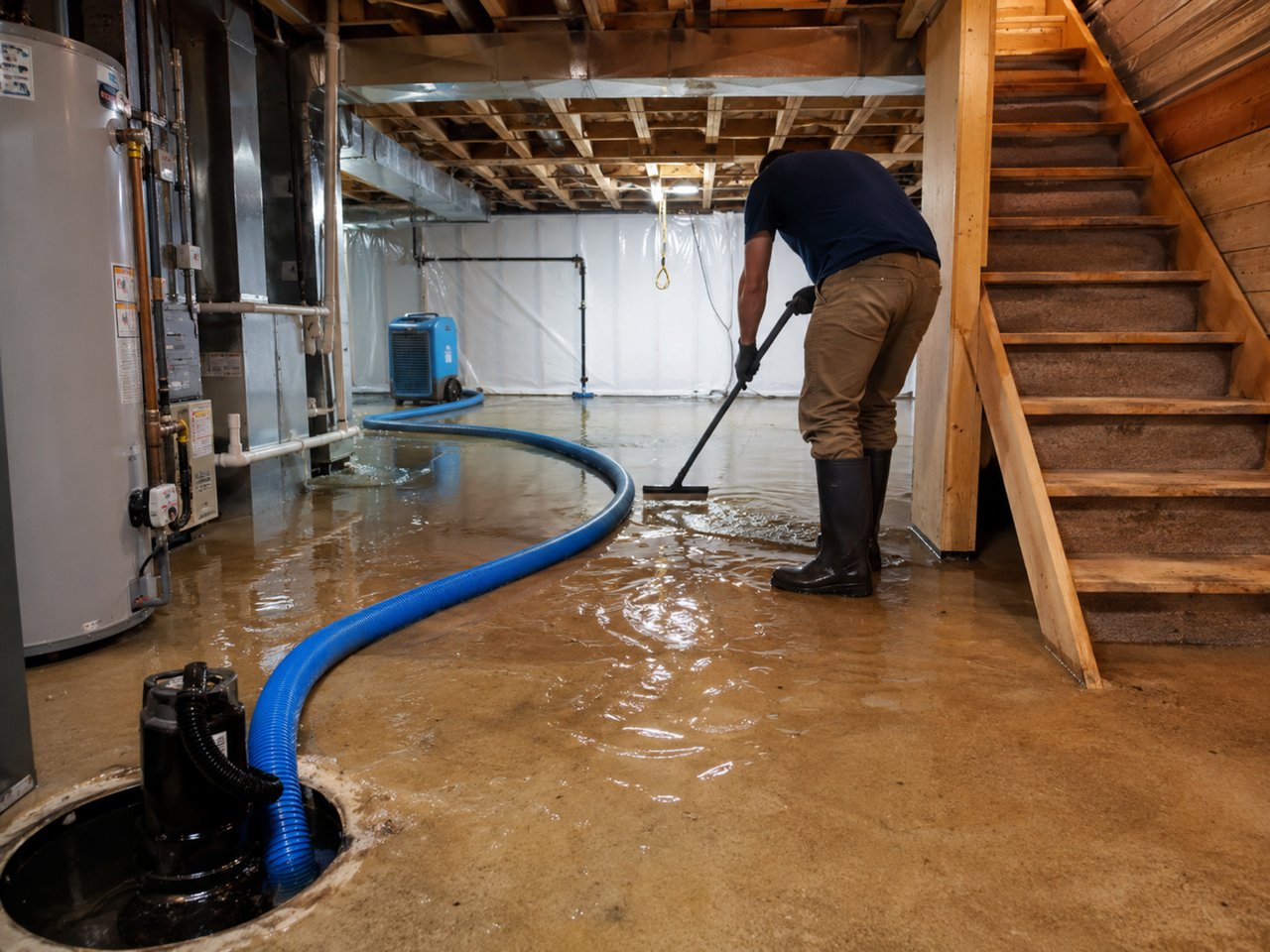
Had water back up into your Des Moines basement? Learn how a program may reimburse you up to $1,500 for a backwater valve, sump pump and other improvements.
For the best service and results when it comes to all of your real estate needs, reach out anytime.