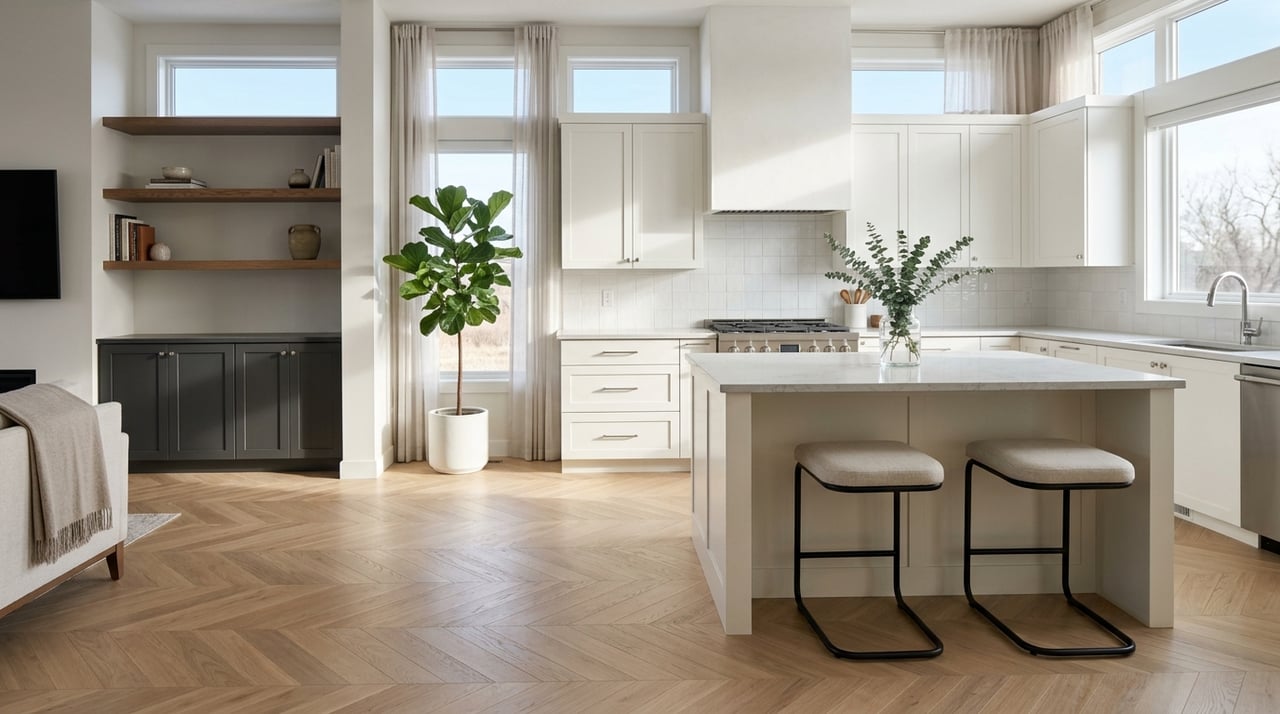
How to Move From a Starter to Forever Home in Ankeny
July 2, 2026
July 2, 2026
Ready for more space, a different layout, or a better day-to-day fit without leaving Ankeny behind? You are not alone. In a fast-growing, largely owner-occupied city, many homeowners are not looking to leave the community at all. They are looking for the next version of home that better matches work, routines, budget, and lifestyle. This guide will help you think through timing, budget, neighborhood tradeoffs, and what to prioritize as you move from a starter home to a forever home in Ankeny. Let’s dive in.
Ankeny is built for this kind of next-step move. The city’s population has continued to rise, and local and census data point to a stable, ownership-focused market. The owner-occupied housing rate is 71.3%, and 84.5% of residents lived in the same home one year earlier.
That matters because move-up markets tend to grow where people put down roots first, then adjust as life changes. In Ankeny, that can mean needing another bedroom, a larger yard, a dedicated office, or easier access to the places you visit most often. It is less about leaving and more about rebalancing your daily life.
Location also plays a big role. Ankeny sits along Interstate 35 and U.S. 69, about 7 miles north of downtown Des Moines, and average commute time is 21.1 minutes. If your next move is partly about cutting drive time or simplifying your weekly routine, that local positioning matters.
Current housing data suggest that Ankeny’s move-up conversations are still centered in the low-to-mid $300,000s for sold homes and the mid-$300,000s for asking prices. Over the three months ending May 2026, Redfin reported a median sale price of $339,742. Realtor.com reported a May 2026 median listing price of $365,000.
Those numbers are not identical because each source tracks the market differently. Still, they point to the same broad takeaway. If you are selling one home and buying another in Ankeny, your planning likely needs to account for a next purchase in that general range.
The pace of the market also matters. Realtor.com described Ankeny as a seller’s market in May 2026, while Redfin showed homes taking longer to sell than the year before, with an average of 55 days on market. That suggests a market that still rewards strong pricing and presentation, while giving buyers some room to compare options.
Before you tour homes, it helps to know what you can really carry into the next purchase. Home equity is the current value of your home minus what you still owe on your mortgage. That is a useful starting point, but it is not the full story.
What matters most is your likely net proceeds after mortgage payoff and transaction costs. Buying and selling come with expenses, and closing costs on a new purchase typically range from 2% to 5% of the home price. If you skip this step, it is easy to overestimate what is available for your down payment, moving costs, or updates after closing.
A clear move-up plan usually starts with a realistic home value estimate, a rough payoff figure, and a simple budget for selling and buying costs. That gives you a more grounded price range before emotions take over.
For many homeowners, selling first is the cleaner path. Consumer guidance notes that people who want to move normally try to sell the current home before buying another one. That approach can reduce guesswork around budget and lower the risk of carrying two homes at once.
Still, this is often the hardest part of the move-up process. You need enough time for listing prep, showings, negotiations, and closing before you fully commit to the next home. If your current home sells quickly, you may feel pressure to find the next one fast.
That is why planning matters more than perfection. In a market like Ankeny, where homes are still moving but not at a frantic pace, timing strategy can make a real difference. A thoughtful plan can help you stay flexible without making rushed decisions.
Some homeowners consider borrowing against equity to bridge the gap between selling and buying. A home equity line of credit, or HELOC, is one example. It can create short-term flexibility, but it also means borrowing against your home, and missed payments can put that home at risk.
That does not mean every bridge strategy is wrong. It does mean you should understand the downside before treating home equity like easy cash. For many move-up buyers, the better path is careful timing, clear reserves, and a conservative budget.
Once you understand your likely proceeds, the next step is financing clarity. A preapproval letter can help you understand what a lender may be willing to offer and help you shop with more confidence. It is still a tentative lender statement, not a guaranteed loan offer, but it gives you a stronger starting point.
It is also smart to compare more than one option. Consumer guidance recommends shopping at least three lenders. Even small differences in rates, fees, or loan structure can affect your monthly payment and long-term cost.
A forever home often comes with more than a bigger mortgage. You may also need cash for paint, window treatments, furniture, landscaping, or immediate repairs. That is why it is wise to leave room in your budget for more than just the down payment.
Consumer guidance recommends setting aside money for other savings goals, renovations, and an emergency cushion of at least three to six months of expenses. That advice matters even more when you are moving up. The goal is not just to buy the home. The goal is to feel comfortable living in it.
A practical budget should account for:
Once budget and timing are clear, your decision usually comes down to tradeoffs within Ankeny itself. The city’s growth pattern, transportation planning, and recreation system all shape how different areas feel in daily life. Ankeny has more than 40 parks, more than 100 miles of trails, and a broad sidewalk network that connects many residential areas to common destinations.
For many buyers, the next-home decision comes down to a few practical questions. Do you want a newer neighborhood feel or a more established setting? Do you care more about yard size, trail access, or commute ease? How often will you use parks, recreation facilities, or major roadways during the week?
These are personal choices, but they are easier to sort through when you name your top priorities early. If every home tour becomes a debate about everything, the process can feel noisy fast.
A simple side-by-side comparison can help you focus on what matters most. Instead of asking only whether a house is bigger or newer, ask how it changes your routine. The best forever home is usually the one that supports your everyday life with the least friction.
Here are a few helpful comparison points:
Commute checking is especially important right now. Iowa DOT says the I-35 corridor from Ankeny to Huxley is under full reconstruction through 2026, so real-time route testing can be more useful than relying on a map alone.
If school assignment is part of your home search, verify it before you write an offer. Ankeny Community School District currently includes multiple elementary schools, two 6-7 middle schools, two 8-9 middle schools, and two high schools, with north and south feeder systems. That means assumptions can lead to mistakes.
The safest approach is to confirm the address-level assignment using current district and Iowa Department of Education boundary materials. If a certain school path matters to your household, make that check early rather than after you fall in love with a home.
If you are selling a starter home in order to buy your forever home, your first sale helps power the whole plan. In a market that still leans toward sellers but gives buyers more time to compare, accurate pricing and polished presentation matter. The goal is not just attention. The goal is strong, realistic demand.
That is where a full-service approach can make the process feel smoother. Professional marketing, clear pricing strategy, and a thoughtful timeline can help you protect your net proceeds while keeping the next purchase in view.
The move from starter home to forever home is exciting, but it works best when you balance emotion with planning. In Ankeny, that usually means understanding your equity, building a real budget, testing commute patterns, comparing neighborhood fit, and verifying school boundaries before you commit.
You do not need to solve every detail on day one. You just need a smart framework and a clear local strategy. If you are thinking about your next move in Ankeny, Boutique Real Estate (Iowa) can help you evaluate your current home, map out timing, and search with confidence.
Stay up to date on the latest real estate trends.


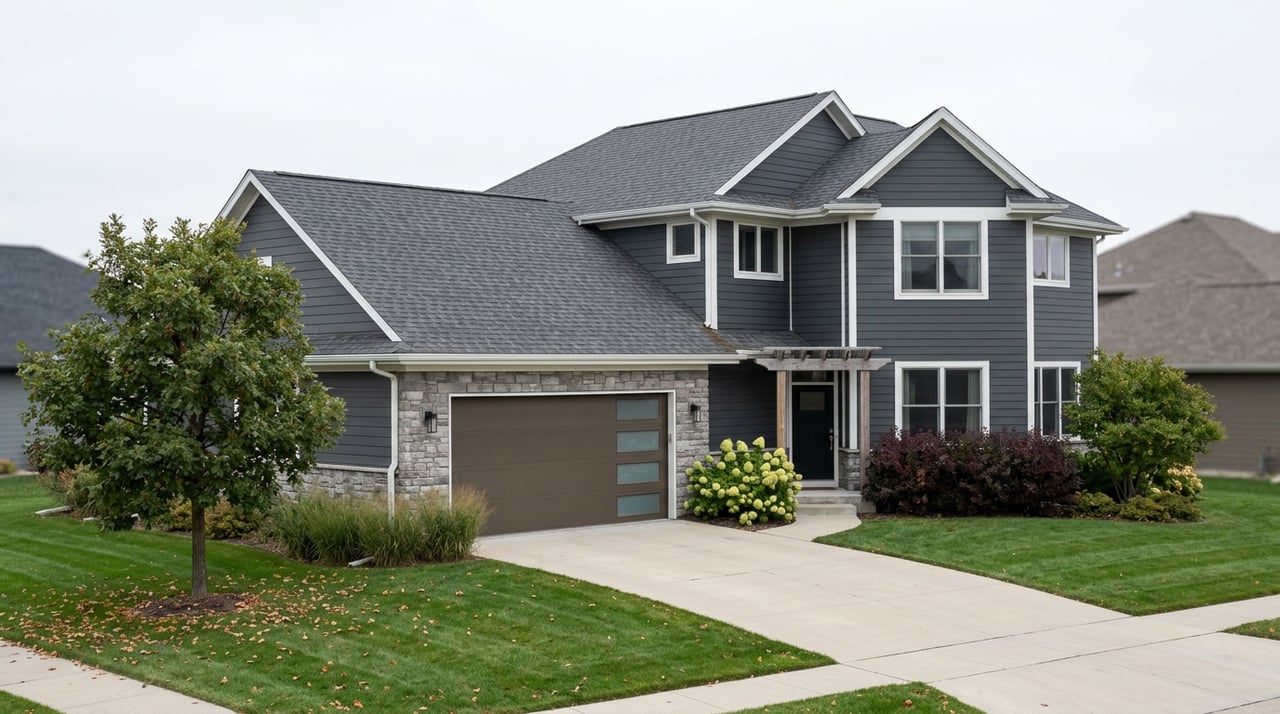
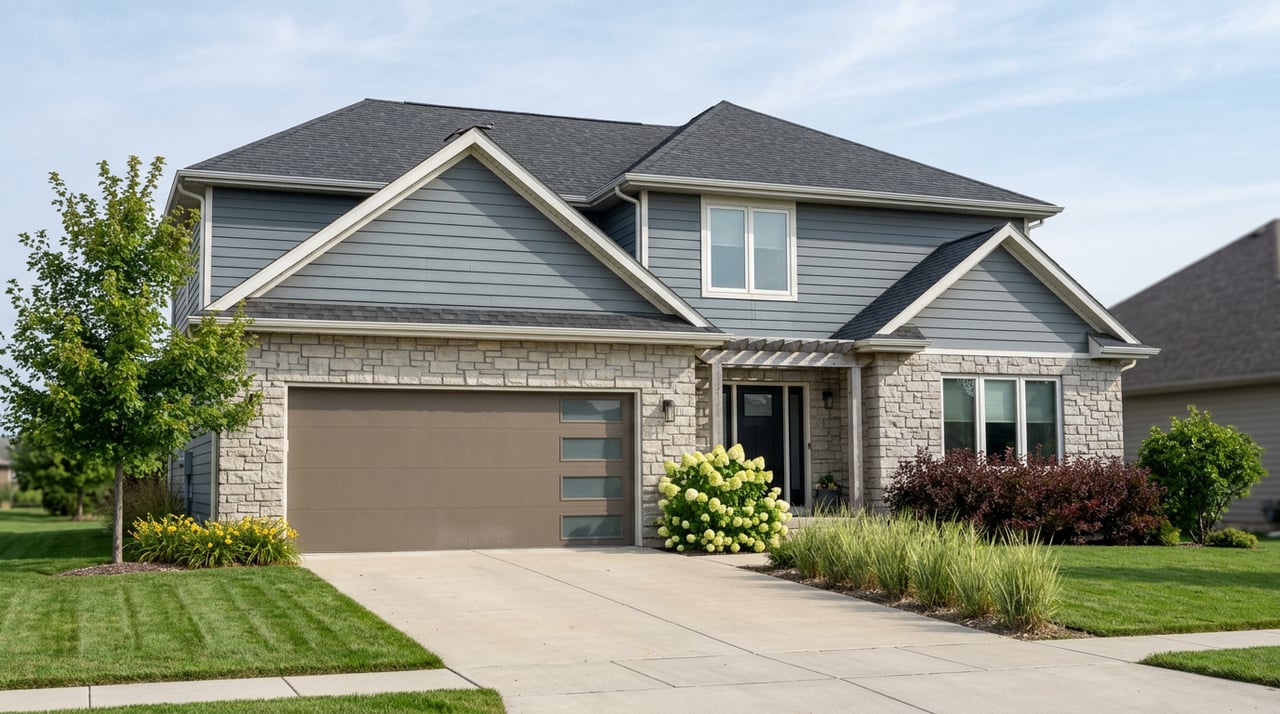
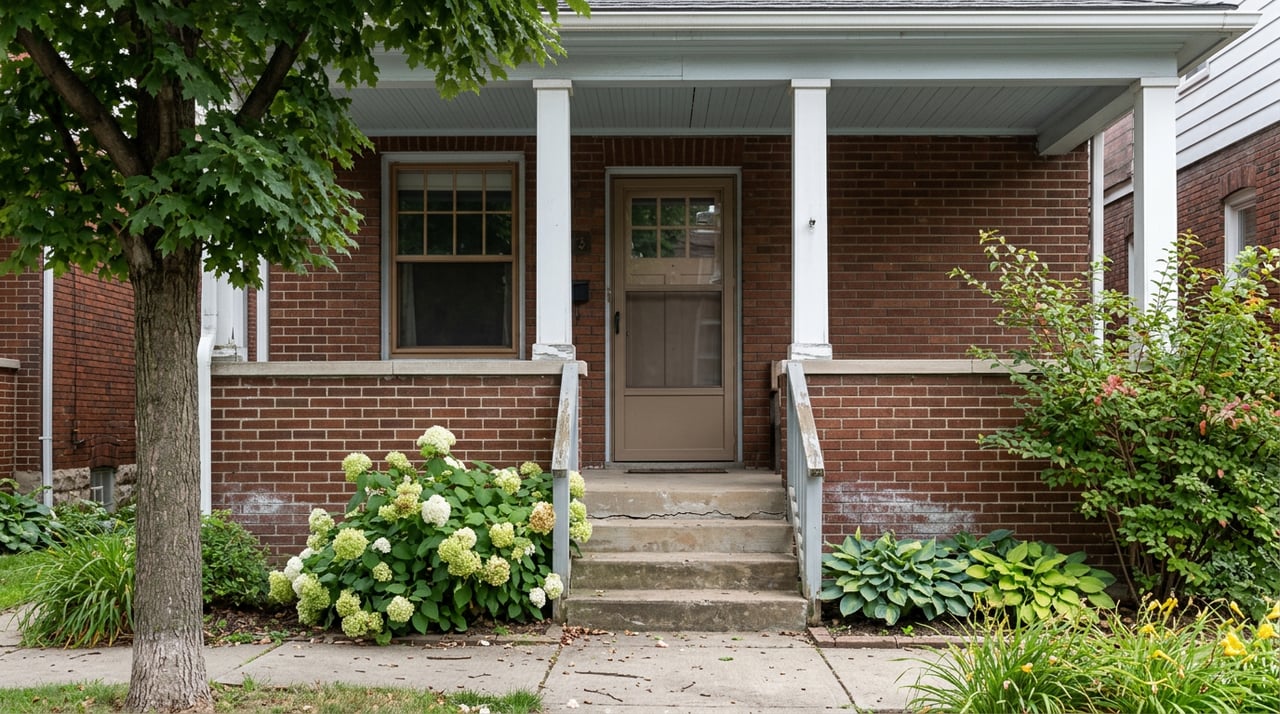
For the best service and results when it comes to all of your real estate needs, reach out anytime.