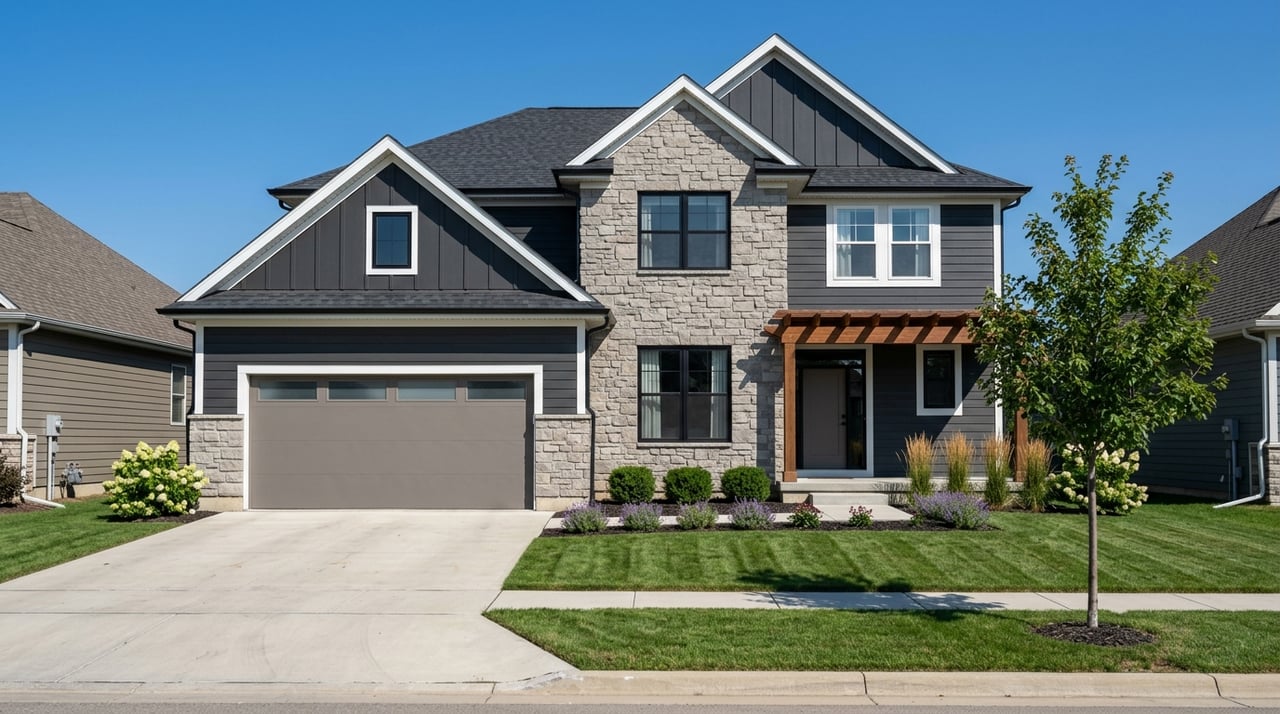
Reading Des Moines Housing Market Trends Before You List
March 26, 2026
March 26, 2026
Is now the moment to list your Des Moines home, or should you wait a few weeks? When the market feels mixed, guessing can cost you time and money. You deserve a clear read on local trends so you can price with confidence, prep the right way, and launch at the right time. In this guide, you’ll learn the signals that matter in Des Moines and Polk County, how to turn them into a go-or-wait decision, and a simple 6–8 week plan to get market-ready. Let’s dive in.
As of February 2026, Polk County showed roughly 4,000 active listings, a median listing price near $300,000, and median days on market in the high 60s, which points to a balanced feel at the county level. You can see the latest county snapshot on the Polk County page on Realtor.com for context and trend lines. County-level metrics are here.
Within the city, numbers tell a different story. Redfin’s Des Moines page for February 2026 reported a median sale price around $216,500 and a median days on market near 73 days, reminding you that city and county measures often diverge. Check city-level sold data on Redfin’s Des Moines market page.
Mortgage rates in early March 2026 are hovering near 6.0% for a 30-year fixed based on Freddie Mac’s PMMS, which shapes buyer affordability and pace. You can track the weekly rate trend on YCharts’ 30-year mortgage rate page. Nationally, 2025 saw more listings with price cuts, and that trend carried into early 2026 in many areas, a sign to watch in your zip code. See the latest national context in Realtor.com’s January 2026 housing update.
Bottom line for sellers: Des Moines and Polk County are not in the 2020–22 frenzy. The market is more balanced. Well-prepared, well-priced homes still perform. Overpriced homes tend to sit longer and face reductions.
Inventory shows you how much choice buyers have, and months of supply estimates how long it would take to sell current inventory at the current pace. Fewer months means tighter conditions for buyers. More months means buyers have leverage. As a rule of thumb, under 4 months points to a seller’s market, around 4 to 6 is balanced, and over 6 tilts to buyers. Use those thresholds when you review neighborhood and price-tier data. You can find this framework in Realtor.com’s methodology notes.
DOM tells you how long a typical listing takes to go under contract. It is often reported as a median, and definitions can vary by source, so compare like with like. Watch the trend over several weeks, not just a single month. If DOM is stable or falling in your price tier, that is a positive sign heading into a listing.
Look at your neighborhood comps for median list price, median sale price, and the gap between them. In early 2026, Polk County’s sale-to-list ratio sat near 99% at the county level, which means many sellers were still getting close to asking. That can hide differences by neighborhood and price tier, so go granular with your comps before you set your target price.
A rising share of active listings with price cuts is often the earliest sign of cooling. Through 2025 and into early 2026, national reporting showed elevated price-cut activity, a trend that can show up locally with a lag. If reductions are climbing in your zip, plan on conservative pricing and strong presentation. You can review national trends in Realtor.com’s January 2026 report.
Pending-contract counts and showing activity tend to move before prices do. Your agent can pull weekly flows from the MLS and resources like ShowingTime. For local seasonality and price-band detail, review DMAAR’s monthly releases, such as the DMAAR June 2025 housing stats.
Spring-to-early-summer is usually the most active period in Greater Des Moines, with more new listings, stronger buyer traffic, and quicker turnover. DMAAR’s monthly PDFs show that pattern year after year across the metro. If you plan a spring launch, start prep 6 to 8 weeks ahead so you do not rush pricing or presentation. For a timing lift, some research suggests listings that go live on Thursday capture better early momentum heading into weekend tours. You can read more about timing in Zillow’s guide to listing in the current market.
That said, timing does not beat price and condition. A well-prepped listing in a tight micro-market can perform outside the spring window. An aspirational price in a cooling tier can lag, even in May.
Use these simple thresholds when you weigh your launch date:
List soon if any apply:
Consider waiting, or price more conservatively, if any apply:
Faster pocket: County-level DOM looks steady, but your neighborhood’s DOM runs well below the county median. In this case, you can list and price to attract strong activity in the first 7 to 14 days. Keep the price market-competitive, not aspirational, since buyers compare quickly online. See pricing strategy tips in Redfin’s guide to pricing your home well.
Cooling pocket: Inventory is up and similar listings in your tier are taking price cuts. Focus on repairs, clean presentation, and a conservative price to avoid a follow-on reduction that hurts momentum. National context on reduction trends is summarized in Realtor.com’s January 2026 update.
Follow this simple timeline to launch with confidence.
Weekly:
Monthly:
If you want to move soon, start with data, not guesswork. Ask for a neighborhood pricing session, a simple 6–8 week prep plan, and a polished media launch that meets buyers where they search. When you are ready, reach out to Boutique Real Estate (Iowa) for a local, high-touch plan that pairs neighborhood expertise with pro photography and 3D tours.
Stay up to date on the latest real estate trends.

The best way to save money on a house isn't necessarily negotiating a lower price

Want to Increase Your Home's Value? Plant a Tree This Fall.


Had water back up into your Des Moines basement? Learn how a program may reimburse you up to $1,500 for a backwater valve, sump pump and other improvements.

For the best service and results when it comes to all of your real estate needs, reach out anytime.