Des Moines Neighborhood Guide to Finding Your Next Home
March 24, 2026
March 24, 2026
You have plenty of great choices in Des Moines, but that can make the search feel overwhelming. Maybe you want a short walk to restaurants and trails, or maybe you prefer a yard and quieter streets. With a few clear comparisons, you can pinpoint the right fit fast. In this guide, you’ll learn how to compare neighborhoods side by side, then see quick snapshots of popular areas to help you build a focused shortlist. Let’s dive in.
A smart neighborhood search balances five practical themes. Use these to compare areas on your shortlist so you can trade off confidently.
Decide if you want a condo, townhome, or single‑family house, then match that to the neighborhoods that specialize in each. Downtown and East Village often feature condos, lofts, and new infill townhomes with smaller outdoor spaces and higher price per square foot. Historic districts like Sherman Hill offer late 19th and early 20th century homes with character and potential renovation tradeoffs. Across the city, market trackers placed the median home value in the low to mid $200Ks in early 2026, but exact pricing varies by neighborhood and property type, so verify current numbers before you write an offer.
Greater Des Moines has a mean one‑way commute of about 20 minutes, which keeps many neighborhoods in play for day‑to‑day driving, but peak‑hour differences matter for some routes. If you plan to use transit, review DART’s current network and stop locations, since frequency and coverage vary by corridor. If walking or biking is a priority, look closely at trail access and sidewalks near your target streets. Downtown, East Village, and areas near Gray’s Lake and the Principal Riverwalk tend to offer stronger walkability and trail connections.
Think about your everyday stops. Do you want coffee shops and restaurants a short walk away, or do you prefer a quiet residential feel with parks close by? Downtown anchors cultural amenities like the Sculpture Park, the Downtown Farmers’ Market, dining, and events, while classic residential areas offer neighborhood commercial corridors and community gatherings. Match the rhythm you want at home to what each area delivers within a 5 to 10 minute radius.
If schools factor into your decision, confirm the exact attendance area for each property you tour. Review the Iowa School Performance Profiles for current school ratings, and verify boundaries with the district because enrollment and open‑enrollment policies can change. Keep your notes address‑specific, since two streets a block apart can feed into different schools.
Use objective data when comparing safety. Review the Des Moines Police Department’s most recent annual report and explore the city’s open data resources for incident trends by area, then visit each neighborhood at different times of day. If you are eyeing a historic district, learn the design‑review process that can affect exterior changes, timelines, and costs. These factors help you budget accurately and set expectations before you write an offer.
Use these quick profiles to compare housing, commute feel, and amenities across a few distinct areas.
If you want an urban lifestyle with short walks to restaurants, events, and trails, start here. You will find condos and lofts in converted warehouses along with new townhome infill. Spaces can be smaller with limited private outdoor areas, and condo or HOA fees are common.
For amenities, the core districts offer arts and events, trail access, and weekend activity that is hard to match elsewhere in the metro. The tradeoff is parking logistics and higher price per square foot compared to many single‑family neighborhoods. If you travel often, the central location can trim commute time across the metro.
Sherman Hill features late‑1800s and early‑1900s Victorian, Queen Anne, and Craftsman‑style homes with distinctive architectural details. Many properties have been restored, and buyers are often drawn to the historic character and central location. Expect older systems in some homes and plan for thorough inspections.
Exterior changes in designated historic districts usually require design review and a Certificate of Appropriateness. That process can add time and cost to renovations, so it is smart to review guidelines early and budget conservatively if you plan updates.
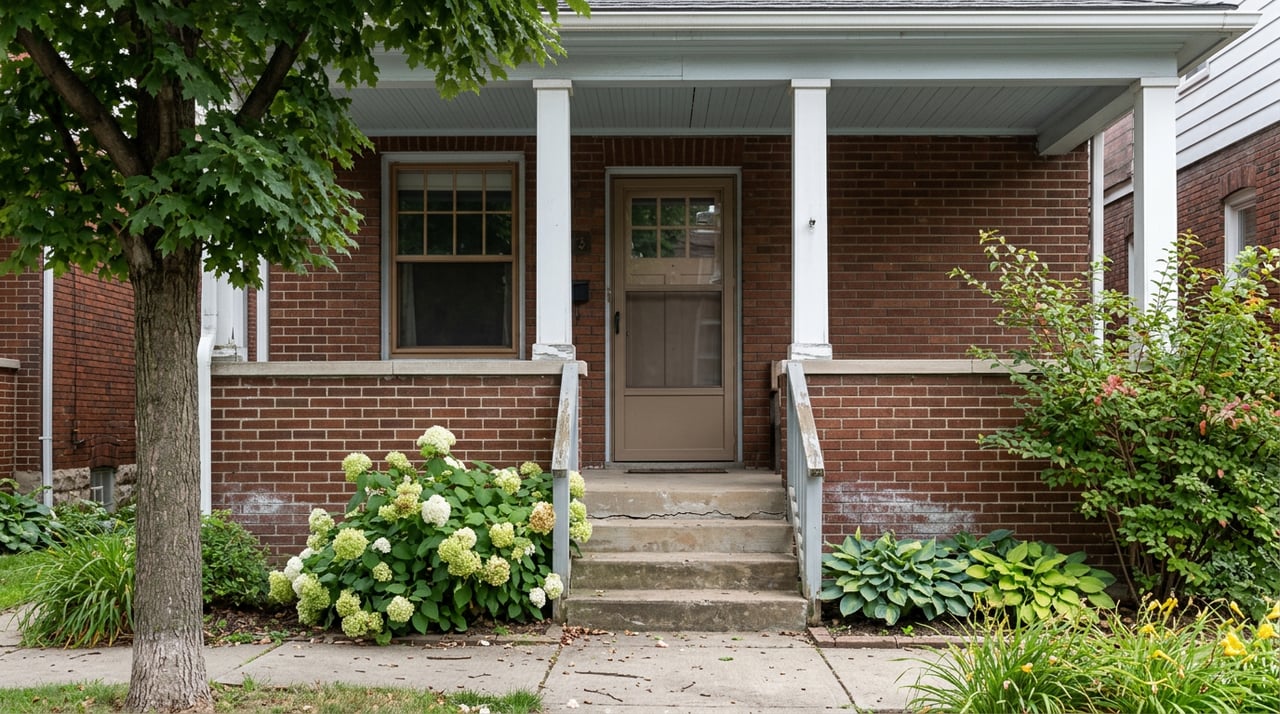
Beaverdale is known for “Beaverdale Brick” Tudors, bungalows, and tree‑lined streets that convey a classic residential feel. The neighborhood has an active association and local events, plus a small business strip that puts coffee, dining, and services within a short drive or bike ride. Many buyers like the balance of single‑family homes and neighborhood identity.
Homes here can have older roofs, windows, or mechanicals, so include inspections and a repair budget in your planning. Walkability for daily errands is moderate compared to downtown, and commute times vary with your route and schedule.
Near Drake University and Waveland Park, you will find early‑1900s bungalows, Tudor and Colonial homes, and access to green space. Location is a strength if you want cultural venues and a short drive to the core. Like many established neighborhoods, property conditions vary, so compare updates and maintenance history as you tour.
If you want a yard and nearby parks without a far commute, add this area to your shortlist. You can weigh house size, lot size, and renovation level against your budget to find the right tradeoff.
South of Grand and Waterbury showcase larger, well‑maintained older homes and tree‑canopy streets that feel tucked away yet centrally located. Highland Park has a growing business district and a mix of bungalows and Craftsman‑style houses. Compare lot size, style, and proximity to your daily routes when deciding among these areas.
In low‑lying locations near rivers or creeks, review flood maps and ask about recent mitigation projects or insurance requirements. A quick check early can help you avoid surprises during underwriting.
Citywide medians were in the low to mid $200Ks in early 2026 according to widely cited market trackers. Inventory and days on market vary block by block, and downtown condos often price higher per square foot than classic single‑family areas. To anchor your budget, ask your agent for the latest DMAAR neighborhood stats and recent comparable sales on your short list. Update those numbers the day you are ready to make an offer to match current market conditions.
Use this quick checklist to compare two or three neighborhoods side by side.
You deserve a neighborhood match that fits your daily life as well as your budget. If you want a short list tailored to your goals, we can help you weigh tradeoffs, pull the latest MLS stats, and map commute and amenity options for each address you tour. Start the conversation with Boutique Real Estate (Iowa). We know Des Moines and the surrounding suburbs, and we are ready to help you move with confidence.
Stay up to date on the latest real estate trends.

For the best service and results when it comes to all of your real estate needs, reach out anytime.