Leave a Message

By providing your contact information to Boutique Real Estate (Iowa), your personal information will be processed in accordance with Boutique Real Estate (Iowa)'s Privacy Policy. By checking the box(es) below, you consent to receive communications regarding your real estate inquiries and related marketing and promotional updates in the manner selected by you. For SMS text messages, message frequency varies. Message and data rates may apply. You may opt out of receiving further communications from Boutique Real Estate (Iowa) at any time. To opt out of receiving SMS text messages, reply STOP to unsubscribe.

Thank you for your message. We will be in touch with you shortly.

Buying A Classic Beaverdale Home In Des Moines

February 5, 2026

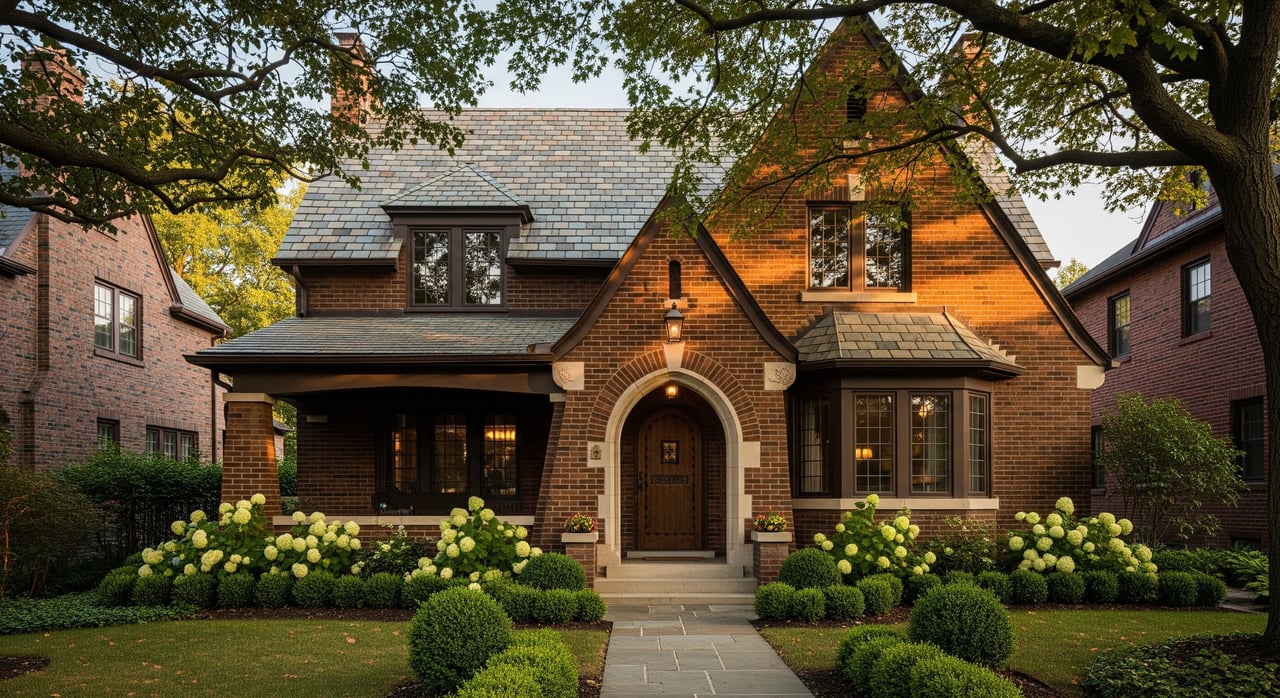
Do you love the look of red brick, steep gables, and tree-lined streets? If Beaverdale is on your list, you are not alone. The neighborhood’s 1920s–1940s charm draws buyers who want character that lasts. You also want a clear plan for inspections, maintenance, and costs so you can buy with confidence. This guide walks you through what to expect, what to verify, and how to budget for a classic Beaverdale home. Let’s dive in.

Why Beaverdale stands out

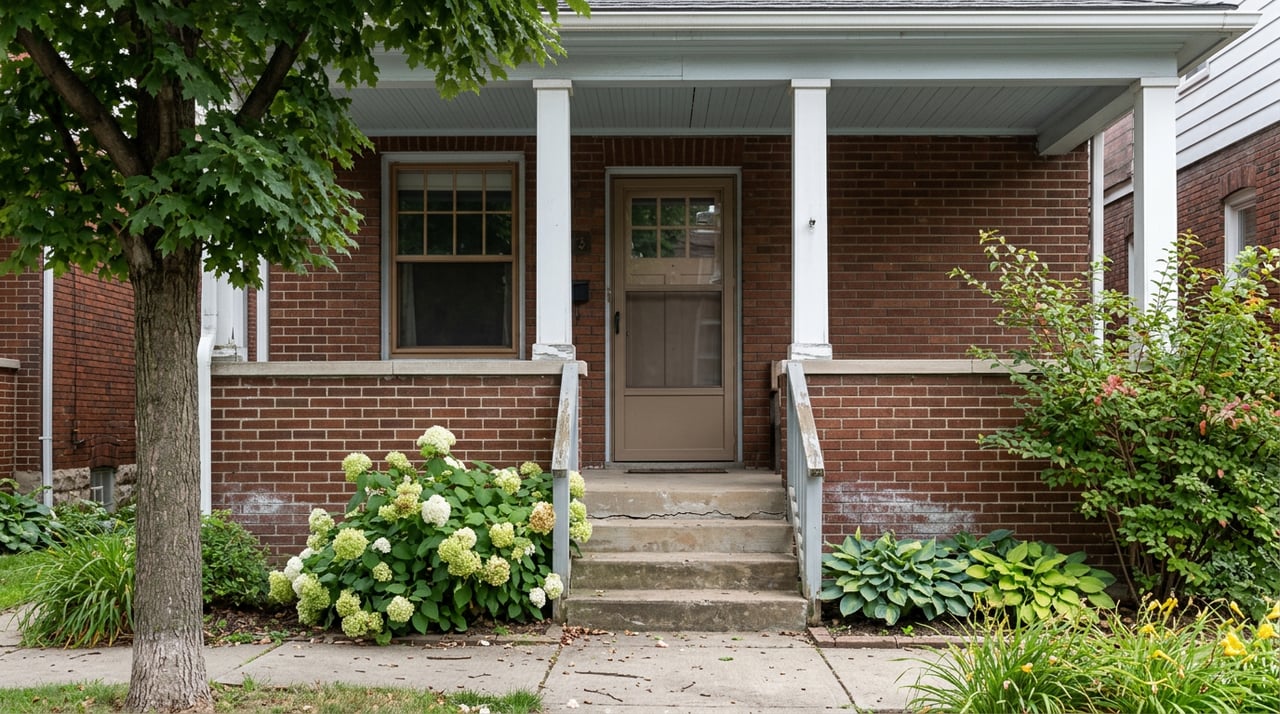
Beaverdale grew during the early-to-mid 20th century. You will see mature trees, sidewalks, and a walkable street grid that reflect that era. Many homes feature brick exteriors and period details that define the neighborhood’s character. Lots are typically small to medium, with moderate front setbacks and tighter side yards than newer suburbs.

You will find a mix of well-updated properties and homes that still have original systems. Many buyers look for hardwood floors, plaster walls, and built-ins. Plan for due diligence so you know which updates are done and which are still on the horizon.

What classic homes look like

Architecture and finishes

Expect brick cottages and Tudor Revival influences. Features often include textured or patterned brickwork, small entry porches, and arched openings. Inside, you will often find plaster walls, hardwood floors, built-in cabinetry, and a masonry fireplace. Windows may be single-pane wood, sometimes with leaded-glass accents.

Layouts and floor plans

Many homes are 1 to 1.5 stories, along with some compact 2-story plans. Typical layouts include 2 to 4 bedrooms, a central living room, a separate dining room, and a kitchen at the rear. Full basements are common and were designed for utilities, storage, and laundry. Ceiling heights may be lower than in newer homes.

Key inspection priorities

Older brick homes often look solid, but age-related issues can be costly if missed. Start with a standard home inspection. Follow up with specialists if your inspector flags concerns.

Masonry and mortar

Look for mortar deterioration, spalling or flaking brick from freeze-thaw cycles, efflorescence, and chimney cracking. Repointing should use mortar compatible with historic brick. Hard, modern mortars can damage older, softer masonry.

Foundations and drainage

Check for settlement, hairline or wider cracks, and signs of water intrusion in the basement. Grade should slope away from the foundation. Confirm gutters and downspouts move water away from the house. Older sewer laterals can be clay or cast iron, so consider a sewer camera inspection if disclosures are limited or backups are suspected.

Roof, gutters, and flashing

Roof age and layers matter. Inspect flashing around chimneys, valleys, and dormers. In Iowa’s climate, masonry-to-roof interfaces see stress from freeze-thaw cycles. Confirm gutters and downspouts are sized and routed correctly.

Windows and energy

Many homes still have single-pane wood windows. These add charm but are less efficient. Decide whether to restore with weatherstripping and storm windows, or replace. If there are local design rules, they may affect replacement choices.

Structure and floors

Expect some floor unevenness in older homes. Focus on areas near plumbing or moisture sources where framing can weaken. If your inspector notes anomalies, bring in a structural contractor for evaluation.

Mechanical systems

  • Plumbing: Older supply lines can be galvanized steel or lead, with cast-iron drains in some cases. Galvanized pipes corrode inside, which can reduce water pressure and quality.
  • Electrical: You may see older service panels, ungrounded two-prong outlets, or cloth-insulated wiring. Insurance companies sometimes require panel upgrades.
  • HVAC: Some homes still have original radiators or older forced-air systems. Boilers and steam systems need specialized evaluation. Central AC may have been added later.

Basements and moisture

Look for signs of past or current moisture, such as musty odors, staining, efflorescence, or active seepage. Check for a functional sump pump and pit. Seasonal groundwater changes in Iowa make water management a priority.

Health considerations

  • Lead paint: Any home built before 1978 may have lead-based paint. Work that disturbs paint should follow proper rules and use certified contractors.
  • Asbestos: Possible in older floor tiles, pipe insulation, duct wrap, and some ceilings. It is mainly a concern when disturbed during renovation.
  • Radon: Iowa has elevated radon potential. Testing is recommended, and mitigation systems are common and effective when levels are high.

Smart questions for sellers

Ask targeted questions so you can plan your budget with real data.

  • What year was the home built, and when were major systems replaced (roof, HVAC, water heater, electrical panel, windows, sump pump, sewer lateral)?
  • Have there been basement water issues, foundation work, or flood insurance claims? Any recent insurance claims?
  • Are there design rules or historic district guidelines that affect exterior changes or window replacements?
  • Are permits and contractor invoices available for renovations or additions?

Documents to request

  • Permits and invoices for major work.
  • Seasonal utility bills to understand energy usage.
  • Any prior inspection reports, radon testing or mitigation records, and pest inspection reports.
  • Polk County Assessor or GIS parcel information for lot dimensions and tax history.

Add-on inspections and tests

  • Masonry or structural engineer review if you see significant movement or widespread brick issues.
  • Sewer lateral camera inspection for older homes or if backups are suspected.
  • HVAC specialist review for boilers or older systems and to estimate remaining life.
  • Lead paint and asbestos surveys if you plan renovations.
  • Radon testing, with mitigation if levels are high.
  • Termite or pest inspection if there are signs of activity. It is less common in Iowa than in warmer climates, but still worth checking.

Budgeting for updates

Every home is different, but these ranges help you plan. Always seek local bids for accuracy.

Immediate to short term (0–2 years)

  • Minor updates, paint, weatherstripping, small tuckpointing, gutter repair, basic mechanical tune-ups: often a few hundred to a few thousand dollars.
  • Radon mitigation: typical range about $800–$2,500.
  • Electrical panel upgrade: roughly $1,500–$4,000+ depending on capacity and complexity.
  • Sump pump replacement: roughly $300–$1,200, with higher costs if drainage work is added.

Mid term (2–10 years)

  • Asphalt roof replacement: commonly $5,000–$15,000+, depending on size and complexity.
  • Window replacement if chosen over restoration: often $500–$1,200+ per window for standard units; custom or historic-style windows cost more.
  • Larger-scale tuckpointing or chimney work: ranges vary, with several thousand dollars possible for broad repairs.

Long term (10+ years)

  • Foundation remediation or major waterproofing: several thousand to tens of thousands, depending on scope.
  • Major HVAC replacement: commonly $4,000–$15,000+ depending on equipment and any ductwork changes.

Local rules, financing, and insurance

Historic district and design review

Confirm whether the property falls within a local or national historic district. Local design rules can affect exterior materials and window options. Check with the City of Des Moines historic preservation office and the neighborhood association for guidance.

Permitting and inspections

The City of Des Moines Building Services issues permits for structural, electrical, plumbing, roofing, and some exterior work. Proper permits and documented work protect value and can help with insurance and resale.

Financing checkpoints

Lenders and appraisers expect the home to meet basic safety and habitability standards. Some loan programs have specific property condition rules. Talk with your lender early about any repairs that may need to be completed before closing.

Insurance planning

Older wiring, older roofs, or certain materials can impact insurance premiums. Some carriers require electrical or roof updates. Check with insurers during your inspection period so you know requirements and costs.

How to shop with confidence

Use this simple plan to avoid surprises and move quickly when the right Beaverdale home hits the market.

  1. Define your must-haves. Prioritize layout, bedroom count, and garage or yard needs.
  2. Tour with a systems lens. Note mortar condition, basement moisture signs, and roof age.
  3. Order a thorough inspection. Choose an inspector experienced with older masonry homes.
  4. Add specialists as needed. Bring in masonry, structural, sewer, HVAC, or environmental pros.
  5. Run a realistic budget. Combine immediate fixes, mid-term items, and long-term capital needs.
  6. Verify permits and records. Confirm the history of renovations and any design rules.
  7. Talk to your insurer and lender. Understand any requirements early in the process.
  8. Align the offer with findings. Negotiate repairs, credits, or price based on documented issues.

Work with a local guide

Buying a classic Beaverdale home is about balancing character with smart planning. With clear inspections, documented history, and a practical budget, you can enjoy the charm and protect your investment. If you want a trusted partner who knows older homes across Greater Des Moines, connect with Boutique Real Estate (Iowa) for local guidance and a smooth purchase.

FAQs

What makes Beaverdale homes unique in Des Moines?

  • Many homes were built in the 1920s–1940s and feature brick exteriors, mature trees, and period details like hardwood floors, plaster walls, and built-ins.

Are brick exteriors in Beaverdale maintenance-free?

  • No. Older masonry often needs repointing, proper flashing, and drainage management to prevent moisture and freeze-thaw damage.

How much does radon mitigation typically cost in Iowa?

  • Most single-family systems fall around $800–$2,500, depending on home design and the mitigation approach.

Should I replace old wood windows or restore them?

  • It depends on your goals. Restoration with weatherstripping and storms preserves character, while replacement can improve efficiency. Local design rules may influence your choice.

Will an older Beaverdale home affect insurance or financing?

  • It can. Older wiring, roofs, or deferred maintenance may trigger lender or insurer requirements. Check with your lender and carriers early to plan updates and costs.

Work With Us

For the best service and results when it comes to all of your real estate needs, reach out anytime.