Trying to decide between a home in Des Moines or the suburbs? You are not alone. Many buyers wrestle with tradeoffs around commute, schools, yard size, price, and lifestyle. In this guide, you will learn how each option stacks up in Polk County, see neighborhood examples, and get a clear decision framework you can use right away. Let’s dive in.
City vs. suburbs at a glance
Choosing between Des Moines and nearby suburbs comes down to how you want to live day to day.
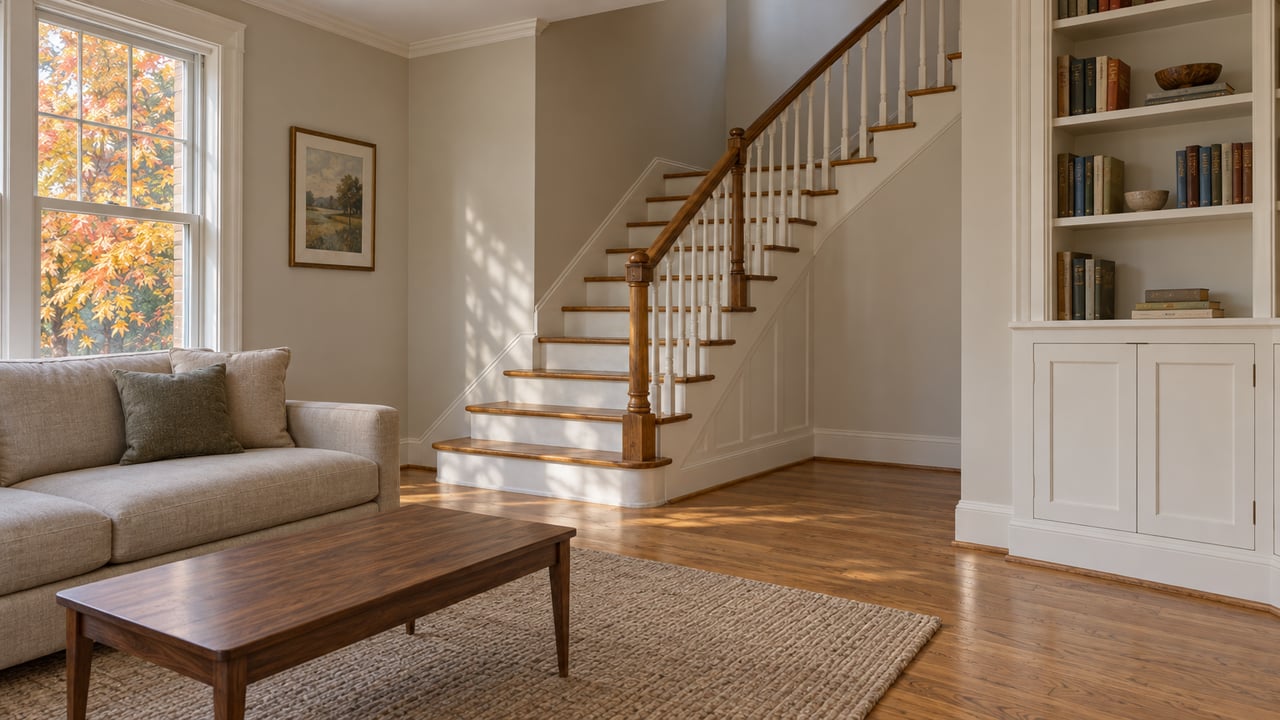
- City neighborhoods often offer walkability, cultural events, and shorter drives to downtown employers. You may find condos, lofts, and historic homes with character on smaller lots.
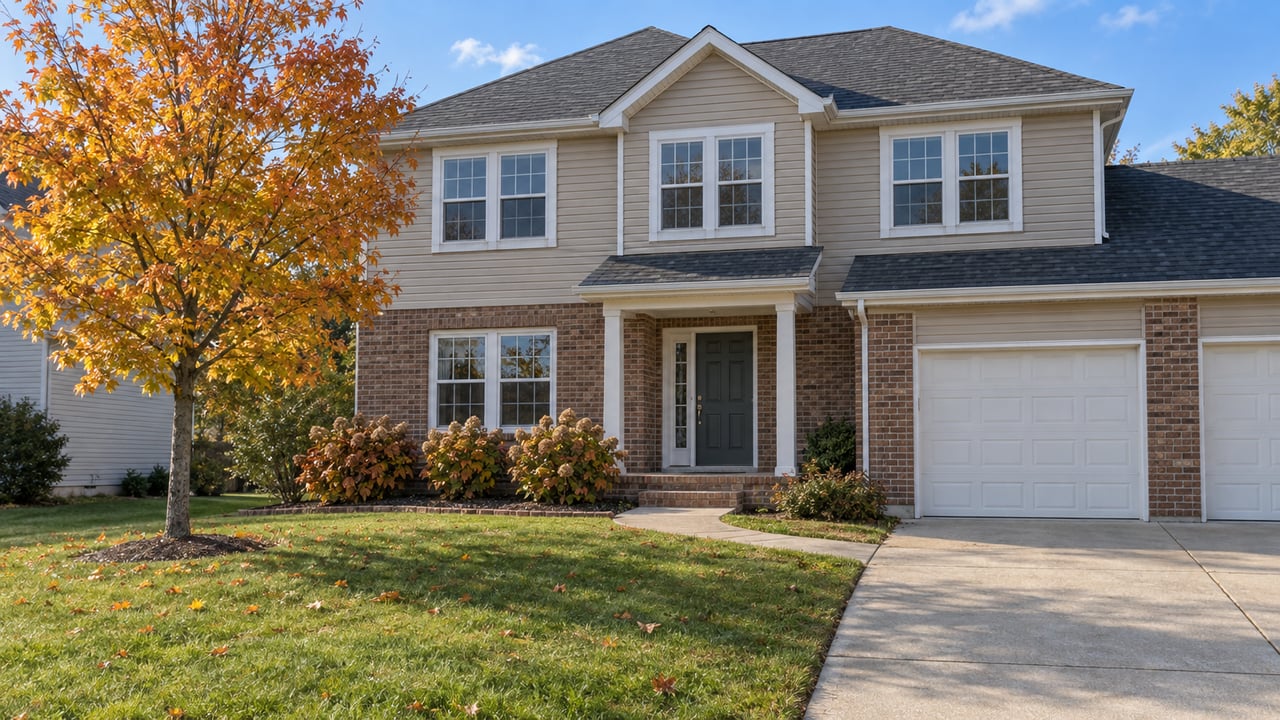
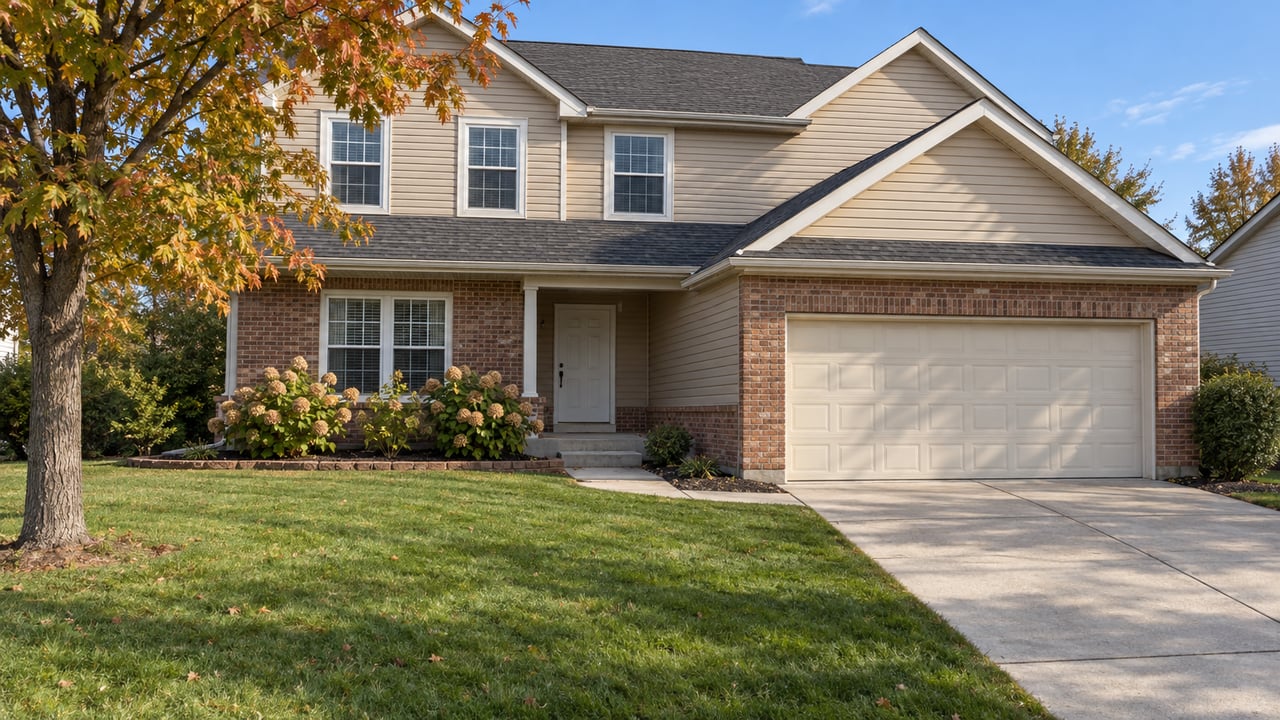
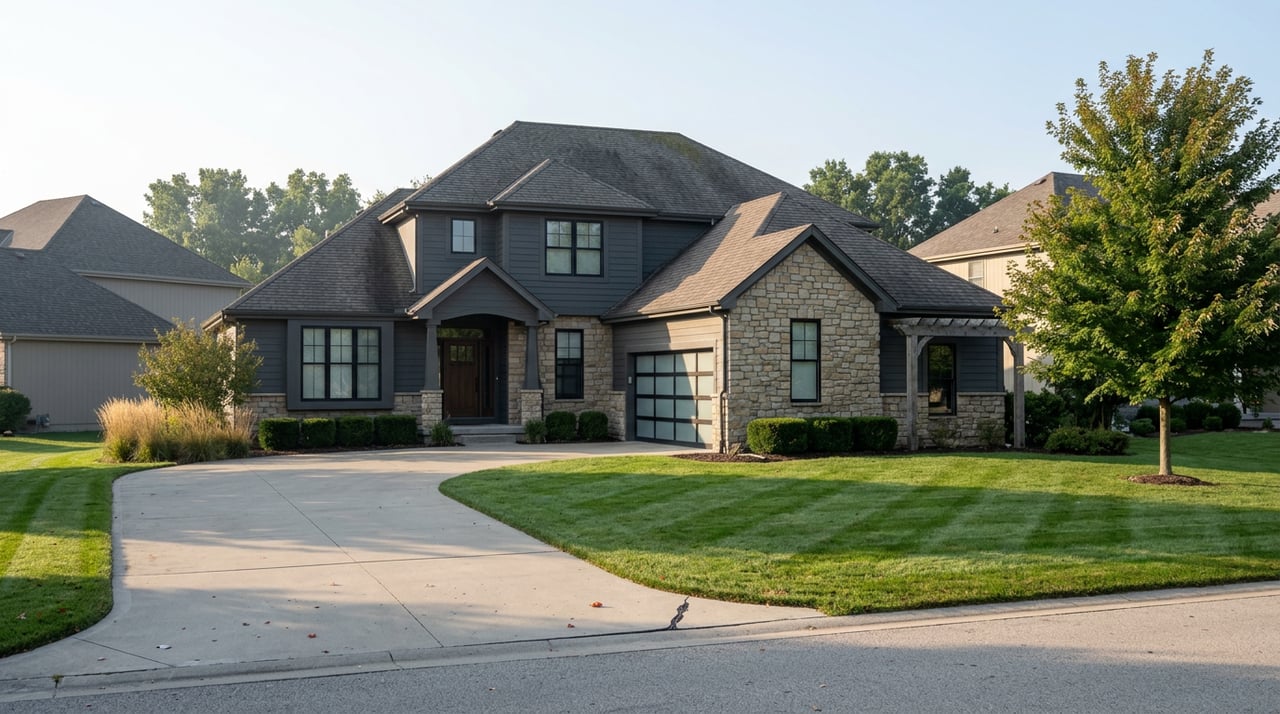
- Suburbs typically offer newer homes, larger lots, garages, and planned communities. You will see more new construction and family-focused amenities.
Both choices can work well. Your best fit depends on commute tolerance, school priorities, maintenance preferences, and budget.
What matters most to you
Before you look at listings, rank these priorities. Being honest here will save time and stress later.
- Commute time and route to work or school
- Walkability and access to dining, parks, and entertainment
- School district preferences and boundaries
- Yard size, garage, and outdoor space
- Maintenance comfort level for older homes vs. desire for newer systems
- Community amenities like pools, trails, or HOA services
- Resale timeline and plans
Des Moines living: core neighborhoods
Downtown and East Village
- What you will find: condos and lofts near cultural venues, dining, and events.
- Best if you want: walkability, nightlife, and the option to bike or take short drives to work.
- Keep in mind: parking logistics and HOA rules for condo buildings.
Sherman Hill and Ingersoll/Gray’s Lake area
- What you will find: historic homes with architectural detail near trails and parks.
- Best if you want: character homes and quick access to downtown.
- Keep in mind: older systems may require ongoing maintenance.
Beaverdale and North Des Moines
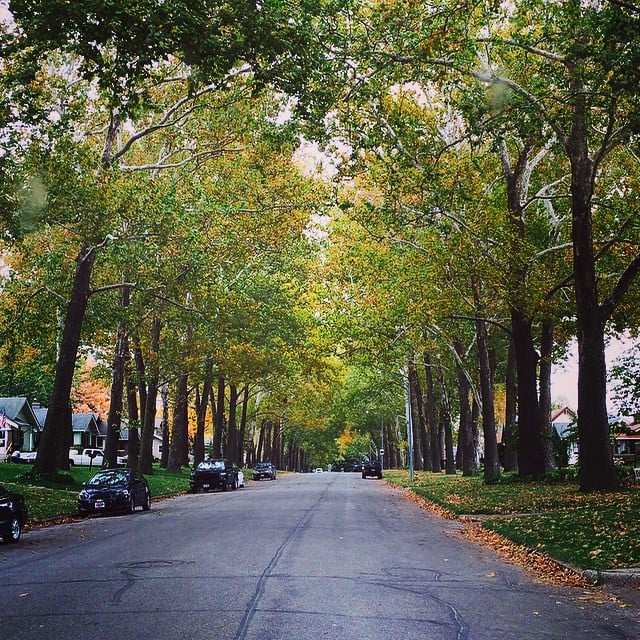
- What you will find: bungalows and mid-century homes on tree-lined streets.
- Best if you want: an established neighborhood feel inside city limits at approachable prices.
- Keep in mind: every block is different, so verify school assignments and recent updates.
Suburban options in Polk County
Johnston and Urbandale
- What you will find: a mix of established neighborhoods and newer subdivisions, trails, and community amenities.
- Best if you want: a north and northwest metro location with convenient commuter routes and a variety of single-family options.
- Keep in mind: some areas have HOAs with specific rules and fees.
West Des Moines and Waukee
- What you will find: newer homes and townhomes, retail hubs, and community rec facilities. Jordan Creek Town Center anchors a major shopping and dining area.
- Best if you want: newer construction choices and access to regional retail and services.
- Keep in mind: commuting to downtown may take longer, especially at peak hours.
Ankeny and Johnston corridor
- What you will find: fast-growing areas with many new subdivisions, trails, and youth sports facilities.
- Best if you want: newer homes, neighborhood amenities, and a community feel.
- Keep in mind: growth areas can have ongoing construction and evolving traffic patterns.
Altoona, Pleasant Hill, and Polk City
- What you will find: a suburban and semi-rural mix with access to outdoor recreation.
- Best if you want: more space and a quieter setting while staying within a reasonable drive of Des Moines.
- Keep in mind: fewer walkable errands and longer drives for some services.
Housing types and maintenance
- Des Moines city neighborhoods feature condos, lofts, and older single-family homes with architectural charm. Expect smaller lots and, at times, projects like roofing, windows, or system upgrades.
- Suburban homes often have open floorplans, attached garages, and modern HVAC and insulation. Newer systems can reduce surprise repairs, though larger square footage may raise utility bills.
Tip: Ask sellers for average utility costs and review any recent inspection or maintenance records. A pre-offer walkthrough with an experienced agent can help you spot the biggest items.
Price, inventory, and market feel
- Central neighborhoods close to downtown can see tight inventory for quality historic homes or well-located condos. Desirable blocks may move quickly.
- Suburbs often have more active new construction and a wider range of floorplans. You may find a clearer path to a move-in ready home.
For current numbers like median price or days on market, review local MLS data and recent comparable sales. Values shift by neighborhood and season, so look at fresh, address-level information.
Commute and transportation
Driving is the most common way to get around the metro. Key routes include I-235 through downtown and I-35 and I-80 around the region.
- Living near downtown can shorten your drive and may allow biking or walking for some jobs.
- Suburban buyers often trade a longer commute for a newer home and larger lot.
Public transit via DART serves the region, but routes are less frequent than in larger metros. If you rely on transit, check schedule coverage from your target neighborhood to your workplace. Also consider trail access for biking and weekend recreation.
Schools and boundaries
School district boundaries do not always match city limits. Many Des Moines addresses fall within Des Moines Public Schools, while nearby suburbs are served by districts such as West Des Moines, Waukee, Ankeny, Johnston, Urbandale, and Dallas Center–Grimes in some areas.
Parents often review state report cards, district sites, and enrollment projections when comparing options. Be sure to:
- Verify the exact school assignment for any address.
- Ask about open enrollment policies, transportation, and waitlists.
- Review school calendars, programs, and extracurriculars that matter to your family.
Use neutral data sources and confirm directly with districts to avoid surprises after closing.
Amenities, culture, and daily convenience
- Des Moines: museums, theaters, galleries, and a strong dining scene in areas like East Village and Court Avenue. The city hosts seasonal festivals and the popular farmers market. You will likely run more errands by foot or quick drives.
- Suburbs: community rec centers, youth sports complexes, and a wide selection of newer restaurants and shopping. Retail destinations, like the Jordan Creek area in West Des Moines, offer one-stop convenience.
Access to healthcare is strong across the metro, with major medical centers in and near Des Moines and suburban campuses in several communities.
Taxes, HOAs, and utilities
Property taxes vary by city, school district levy, and assessed value. To understand your carrying costs, review:
- Assessed value and tax history for the property
- Current mill rates for the municipality and district
- Any HOA fees and what they cover
HOAs are common in many newer suburban subdivisions and in some condo communities inside the city. Read rules on exterior changes, parking, pets, and amenities. For utilities, compare average monthly costs and the age of major systems.
Safety and local data
Crime patterns are highly localized and can change over time. Instead of relying on broad reputations, check recent police reports and neighborhood-level crime maps for the specific blocks you are considering. Visit at different times of day to get a realistic feel for activity, parking, lighting, and noise.
Future development and resale
Growth corridors in suburbs like Waukee and Ankeny have produced steady new construction. This can shape neighborhood character and resale supply over time.
Inside Des Moines, ongoing infill and mixed-use redevelopment has added condos and revitalized corridors. Proximity to trails, cultural venues, and planned infrastructure can support long-term demand.
Ask about nearby projects, employer expansions, or transportation plans that could impact commute times and home values during your ownership timeline.
A simple 5-step decision plan
Use this practical framework to move from browsing to confident offers.
- Rank your must-haves. List your top five priorities and put them in order. If two priorities conflict, decide which one wins.
- Pick 3 focus areas. Choose two city neighborhoods and one suburb, or vice versa, that align with your list. Keep the first pass targeted.
- Drive the commute at rush hour. Test the actual route and timing to work, school, or child care. Do it twice on different days.
- Verify the details. Confirm school boundaries, property taxes, HOA rules, and utility averages for each contender.
- Tour and compare. Visit homes in each area within the same week so your comparisons are apples to apples. Capture notes on maintenance needs, street feel, noise, and parking.
Quick buyer checklist
- Confirm city vs. suburb boundaries for every address
- Check school district assignment with the district
- Review recent comparable sales and time on market
- Pull property tax history and current mill rates
- Read HOA documents, fees, and restrictions
- Test commute times with live traffic
- Review neighborhood crime data and trends
- Ask for utility averages and ages of systems
- Check floodplain status and insurance requirements
- Scan city planning and MPO resources for nearby projects
Buyer scenarios and starting points
- Short commute and urban lifestyle: Focus on downtown, East Village, Sherman Hill, and neighborhoods near Gray’s Lake.
- Newer home and larger lot: Explore Johnston, Waukee, Ankeny, Urbandale, and West Des Moines based on budget and commute.
- Best value blend: Look at Beaverdale, Windsor Heights, and select pockets of Clive or Altoona where proximity and price often balance.
Ready to compare homes side by side?
You do not have to figure this out alone. A local expert can help weigh your priorities, map school boundaries, test commute options, and line up homes that fit your lifestyle. If you are deciding between Des Moines and the suburbs, we are here to guide you with clear data and neighborhood insight. Connect with the team at Boutique Real Estate (Iowa) to start your search.
FAQs
How do I verify a home’s school district in Polk County?
- Contact the school district directly and use its boundary lookup tools, then confirm the assignment for the specific address before making an offer.
What are typical HOA rules in newer suburbs near Des Moines?
- Many HOAs cover common areas and may regulate exterior changes, parking, and fencing, so read the covenants and budget for monthly or annual fees.
Is public transit a realistic daily option in the Des Moines area?
- DART serves the region, but coverage and frequency vary, so check routes and schedules from your target neighborhood to your workplace before relying on it.
How can I compare property taxes between Des Moines and the suburbs?
- Review the property’s assessed value and tax history, then compare mill rates for the city and school district to estimate your annual bill.
What should I look for when buying an older home in Des Moines?
- Focus on roof, windows, foundation, HVAC, electrical, and plumbing, and request utility averages and recent repair records to plan for maintenance.
How do new-construction areas affect resale in suburbs like Waukee or Ankeny?
- Ongoing building can add supply and shape neighborhood character, so review local trends, nearby phases, and future development plans when assessing resale.
What is the best way to test commute times from the suburbs to downtown?
- Drive the route during peak hours on multiple days, note bottlenecks, and compare alternate routes to understand real-world timing.