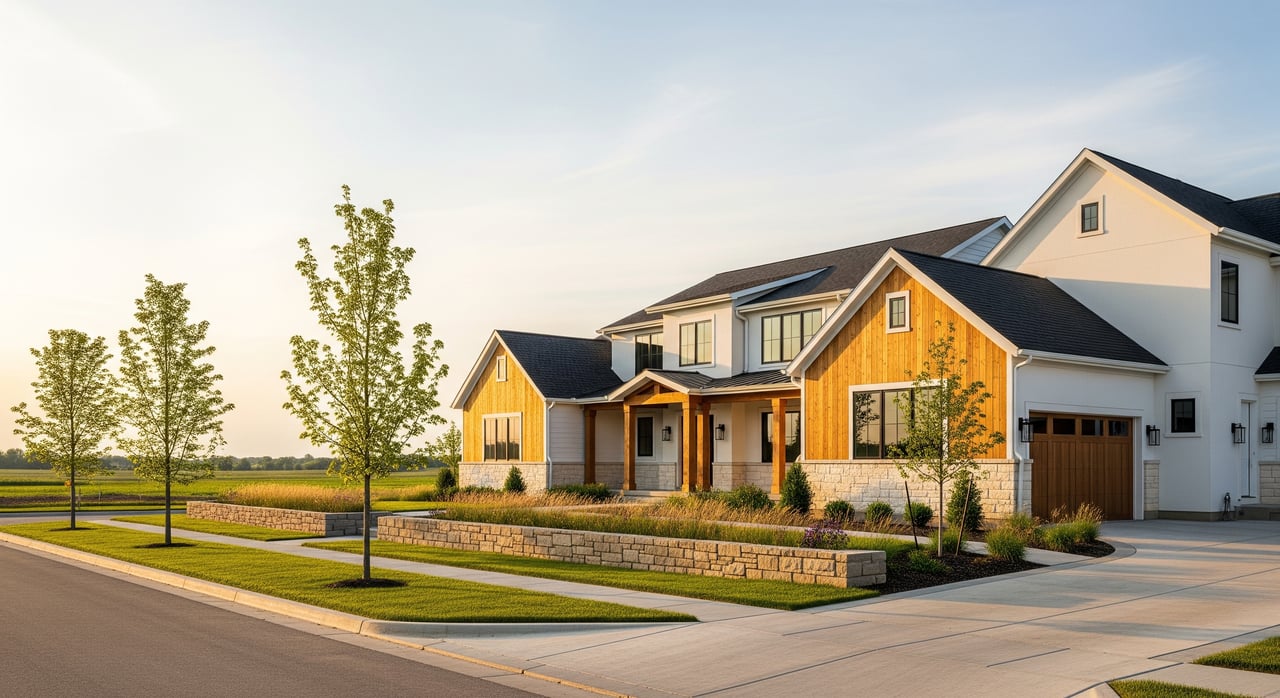
Your Guide to New Construction Homes in Waukee
February 5, 2026
February 5, 2026
Thinking about building your next home in Waukee? You want modern layouts, energy-efficient systems, and a neighborhood that fits your day-to-day life. With so many new subdivisions and phased communities, it can be hard to compare your options. This guide shows you what to expect in Waukee’s new construction neighborhoods, how the process works, and the local checks that protect your investment. Let’s dive in.
Waukee is a fast-growing suburb in the Des Moines metro, and that growth has fueled a wave of new neighborhoods. You will find everything from master-planned communities with amenities to smaller infill pockets inside city limits. Streets, utilities, and inspections are coordinated through the city, and most new plats roll out in phases over several years.
If you want broader demographic context as you plan, review the U.S. Census Bureau’s QuickFacts, which offers high-level snapshots that can help frame your decision. You can start with the general QuickFacts overview from the U.S. Census Bureau’s QuickFacts.
These larger developments may include parks, trails, stormwater ponds, and sometimes HOA-managed amenities. Multiple builders often participate. Expect staged build-out and future phases, which can mean ongoing construction nearby for several years.
A few builders handle most homes here with streamlined floorplans and finish packages. You will often see model homes and a sales center. Spec homes in these areas can offer quicker move-in timelines.
Local and regional builders provide more flexibility on floorplans, finishes, and lot selection. You may find additional negotiation room on options and timeline compared to higher-volume models.
On the city fringe or nearby rural parcels, you will see larger lots and slower build-out. Verify whether utilities are municipal or private since some edge properties may use wells or septic.
Individual lots or small clusters inside established areas offer new homes with mature surroundings. These can have unique site considerations, so pay close attention to setbacks, easements, and grading.
Sloped lots can create a walkout or daylight basement that adds light and functional space. Flat lots typically have standard basements. Walkout positions often carry higher premiums that vary by builder and plat.
Cul-de-sac lots can be quieter and sometimes larger or irregular shaped. Corner lots add frontage and visibility, which can mean more landscaping and snow removal. Compare maintenance and privacy trade-offs.
Stormwater ponds, drainage swales, and utility easements affect your buildable area and landscaping. Review the recorded plat, grading plan, and any notes on restrictions before you commit. You can explore subdivision plats and permitting guidance through the City of Waukee planning and permitting pages.
Weather, material lead times, and change orders can shift schedules. Your contract should outline completion benchmarks, allowances, and what happens if delays occur. Municipal inspections and a Certificate of Occupancy confirm code-compliant completion.
Ask for the builder’s seller disclosure, neighborhood covenants and CC&Rs, and any HOA documents. Make sure the agreement details deposits, change order policies, included features, and dispute resolution. Review whether incentives depend on using a preferred lender.
Most builders provide layered warranties, commonly 1 year for workmanship, 2 years for systems, and 10 years for structural items. Hire an independent inspector for pre-drywall and final phases, and schedule an 11-month inspection to catch warranty items. For code and permit context, see the City of Waukee’s permitting resources.
Key questions:
Look for functional flow, storage, and good light. Mudroom access from the garage, a workable kitchen island, and a pantry add daily convenience. Consider bedroom placement, flex rooms for office or guests, and how easily the basement can be finished later. Lot orientation affects natural light and energy performance.
Upgrades that often add value include kitchen layout improvements, energy-efficient windows and HVAC, durable flooring in main areas, and finishing lower levels to expand livable space. Highly personalized tile or specialty fixtures can be harder to recoup at resale. For perspective on energy features and labeling, explore ENERGY STAR guidance and U.S. Department of Energy resources.
Waukee Community School District boundaries can shift as new neighborhoods come online. Verify current school assignments for the specific lot and review district planning updates through the Waukee Community School District site.
Confirm whether your lot has municipal water and sewer or if private well and septic apply. Review drainage plans, stormwater pond locations, and any easements shown on the recorded plat. You can search recorded plats and property records through the Dallas County Assessor and Recorder.
Many new subdivisions form HOAs that handle common area upkeep, stormwater facilities, and architectural review. Read the CC&Rs to understand design rules, fencing, outbuildings, and the fee schedule. Ask whether the developer or a third party manages the association during early phases.
New neighborhoods are often built in stages. Review approved plats and site plans so you know what is planned for nearby parcels. Future phases can mean construction traffic and noise for a period, so set expectations if you prefer a quieter timeline.
Spec homes typically use a standard conventional mortgage. To-be-built or custom homes may require a construction-to-permanent loan, which funds draws during the build and converts to a mortgage at completion. Rate locks and builder incentives can change your total cost, so compare programs with your lender. You can find programs and consumer guidance from the Iowa Finance Authority.
If you want broader market trend context before you decide, review statewide and regional updates through the Iowa Association of REALTORS market resources.
New construction in Waukee gives you modern plans, strong energy performance, and the chance to personalize finishes. The best results come from choosing the right lot, clarifying what is included in your contract, and staying proactive on inspections and timelines. If you want a local partner to help you compare neighborhoods, builders, and inventory, connect with our team at Boutique Real Estate (Iowa). We will help you navigate the process from lot selection to closing.
Stay up to date on the latest real estate trends.

The best way to save money on a house isn't necessarily negotiating a lower price
Want to Increase Your Home's Value? Plant a Tree This Fall.

Had water back up into your Des Moines basement? Learn how a program may reimburse you up to $1,500 for a backwater valve, sump pump and other improvements.
For the best service and results when it comes to all of your real estate needs, reach out anytime.